
Key Points:
- Relationship based therapy strengthens emotional connection, helping children with ASD build social understanding that supports communication and daily participation.
- Research shows that warm, responsive interactions increase attention, reduce stress, and improve developmental outcomes for children with ASD across home and community settings.
- Families learn practical ways to guide play, co regulation, and problem solving, leading to lasting developmental progress beyond structured therapy sessions.
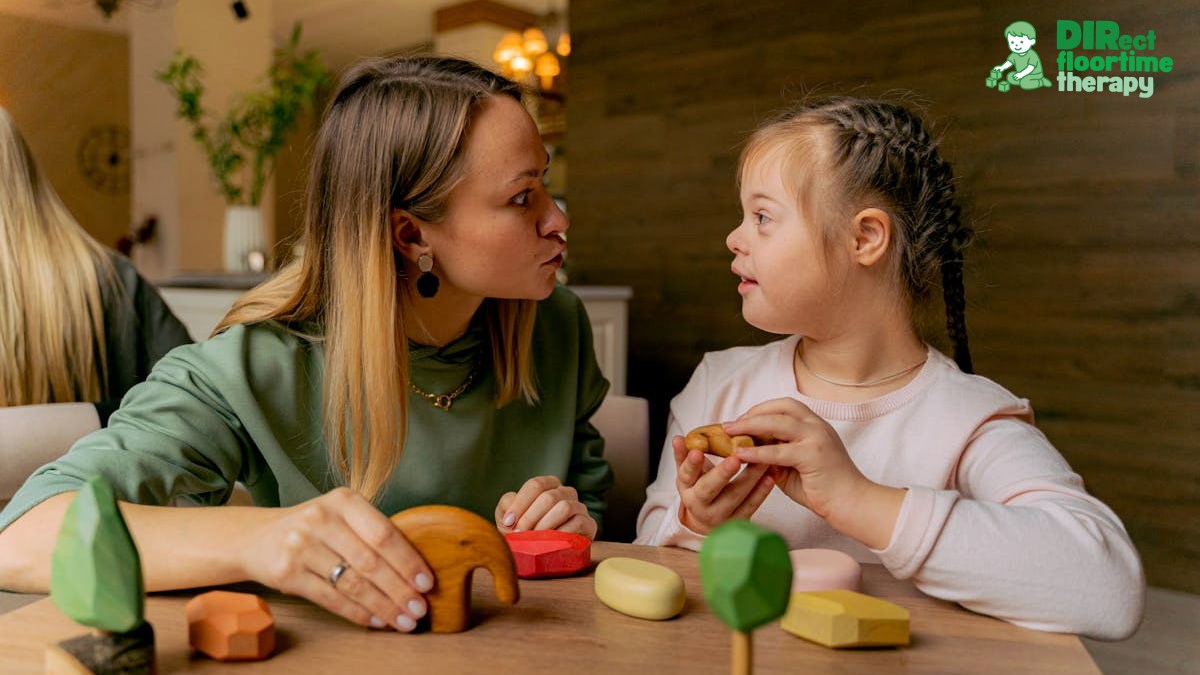
Ever notice how some learning moments click instantly when your child feels understood and supported? That is the power of connection, and it is at the heart of relationship based therapy. For children with ASD, meaningful connection helps open the door to communication, curiosity, and emotional growth.
Relationship based therapy focuses on building trust, shared attention, and warm interaction, allowing children to explore new ideas while feeling safe and encouraged. When the relationship comes first, learning becomes more natural, and progress becomes easier to maintain.
Curious why this model is so effective for children on the spectrum? Let’s explore why connection plays such an important role in development.
Why Emotional Connection Matters in Autism Support
A relationship based model focuses on helping children learn through warm, responsive interaction. This is grounded in decades of child development research showing that emotional engagement shapes how the brain organizes communication, problem solving, and self regulation.
Studies from universities and public health agencies show that responsive caregiver child interaction increases neural activity in areas linked to language and social understanding. Children with ASD often experience difficulty with joint attention, emotional signaling, and flexible thinking. These challenges make it harder for them to connect, respond, and learn through everyday experiences.
When therapy prioritizes emotional connection, children practice the skills that matter most for long term development. These include shared attention, turn taking, reading facial cues, and staying regulated during play. Over time, these experiences help children become more confident, more expressive, and more able to manage the social world.
Key Benefits of Emotional Connection
- Boosts shared attention and enhances readiness for communication
- Supports co regulation, lowering stress and reducing frustration
- Strengthens the foundation for language growth and social problem solving
- Helps children stay engaged for longer periods during play and daily routines
How Relationship Based Therapy Supports Co Regulation
Co regulation is the process where an adult helps a child stay calm, organized, and emotionally balanced. For children with ASD, co-regulation is essential because big emotions can quickly lead to overwhelm, withdrawal, or tantrums. A relationship based approach teaches children how to manage emotions by pairing gentle guidance with supportive interaction.
Children learn emotional control not through instructions but through shared experiences. When a caregiver mirrors feelings, labels emotions, and supports calming behaviors, the child develops internal strategies for managing stress. Over time, children begin to carry these skills into school, playdates, and community activities.
Research from child development institutes highlights that co-regulation predicts better long term emotional health. Children who experience consistent, warm co-regulation show stronger social resilience and improved coping skills.
How Co Regulation Helps Children with ASD
- Encourages smoother transitions between activities
- Reduces sensory overwhelm and improves tolerance for new environments
- Strengthens emotional awareness and reduces reactive behaviors
- Builds the base for independent self regulation
Why Play Based Interaction Leads to Stronger Learning
Play is more than fun. It is the most natural way children learn to communicate, think, and collaborate. A relationship based model uses developmentally supportive play to spark curiosity and build deeper engagement.
Children with ASD often show rigid play patterns or limited interest in social play. Play based interaction meets children where they are and gradually expands their ability to share ideas, follow social cues, and think flexibly. When play is rooted in emotional connection, the child feels safe to take risks, explore new actions, and accept guidance.
Public health organizations and educational institutions repeatedly emphasize that play based learning leads to stronger developmental outcomes than drill based methods for young children with ASD. Emotional safety allows the brain to absorb new information more effectively.
Examples of Play That Builds Skills
- Simple back and forth games that encourage attention and turn taking
- Pretend play that explores ideas and expands language
- Movement play that strengthens regulation and shared joy
- Problem solving games that boost flexible thinking
Table: Relationship Based vs Skill Focused Approaches
| Focus Area | Relationship Based Approach | Traditional Skill Focused Approach |
| Core Goal | Strengthen emotional connection and communication | Teach isolated skills through repetition |
| Learning Style | Playful, child led, emotionally supportive | Adult directed and task based |
| Social Development | Prioritized as the foundation | Secondary to skill mastery |
| Regulation | Built through co regulation and connection | Managed through prompts or correction |
How Relationship Based Therapy Improves Communication Growth
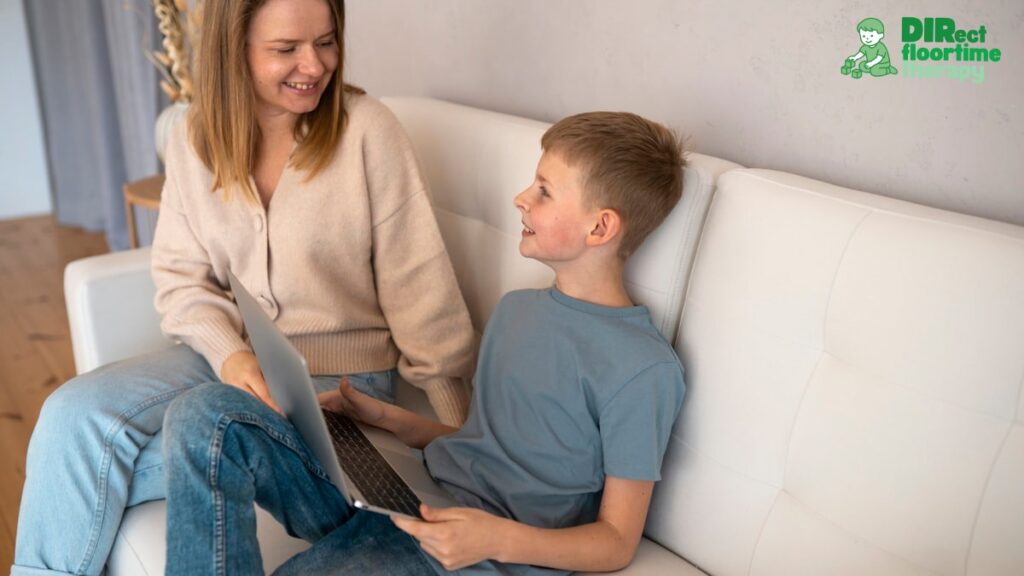
Communication is more than vocabulary. It starts with shared attention, emotional exchanges, and the desire to connect. Many children with ASD communicate best when they feel understood, supported, and safe. A relationship centered approach builds this foundation before focusing on language expansion.
Children learn communication through experiences that combine joy, curiosity, and interaction. When adults follow the child’s lead and shape communication opportunities within shared play, children naturally attempt more gestures, sounds, and words.
Clinical research from educational and developmental institutions shows that children with autism make the strongest communication gains when therapy emphasizes shared engagement rather than strict instruction.
How Relationship Based Strategies Boost Communication
- Encourages natural gestures like pointing, showing, and reaching
- Increases expressive attempts through meaningful emotional experiences
- Builds comprehension through consistent, connected interaction
- Supports long term social communication, not just speech output
Building Thinking Skills Through Emotional Engagement
Many families want to help their child think more flexibly, solve problems, and adapt to changing situations. These abilities are linked to emotional and social engagement. When a child is deeply connected in play, they naturally begin to experiment, predict, and reason.
A relationship based model helps children practice these thinking skills through meaningful interaction. Instead of teaching a single correct answer, the adult invites the child to explore options, respond creatively, and reflect on outcomes.
This style supports cognitive development because children learn best when emotionally invested. Research in developmental psychology shows that emotional engagement activates the parts of the brain responsible for planning, organization, and flexible thinking.
Thinking Skills Strengthened Through This Approach
- Sequencing and understanding cause and effect
- Adjusting ideas based on new information
- Managing frustration during challenges
- Collaborating with others to solve problems
Why This Approach Supports Long Term Development
Children with ASD benefit from approaches that prepare them for the real world, not just therapy rooms. Relationship based support teaches skills that transfer to school, family life, friendships, and community settings.
Caregivers become partners in the developmental process and learn how to sustain progress outside therapy sessions. This creates consistent growth over time and reduces regression during breaks or transitions.
Longitudinal studies from child development organizations show that children who receive relationship centered support demonstrate stronger emotional health, greater independence, and more stable long term outcomes.
Long Term Advantages
- More confident communication across environments
- Stronger peer interactions and readiness for classroom learning
- Improved emotional resilience and flexibility
- Reduced dependence on adult prompting
How Families Can Use Relationship Based Strategies at Home
Parents often worry that they need advanced training to support their child’s development. A relationship based approach makes involvement easier because it builds on natural daily interactions.
You can begin integrating supportive strategies during routines such as mealtime, bath time, dressing, or play. When you slow down, follow your child’s lead, and respond with warmth and curiosity, you create countless moments for growth.
Helpful Home Strategies
- Join your child’s play and gently expand it
- Use warm, expressive communication to encourage attention
- Wait for the child to initiate or respond, giving enough time
- Celebrate any attempt at connection, no matter how small
These interactions build the emotional foundation that supports long term development.
Strengthening Relationships for Better Behavioral Outcomes
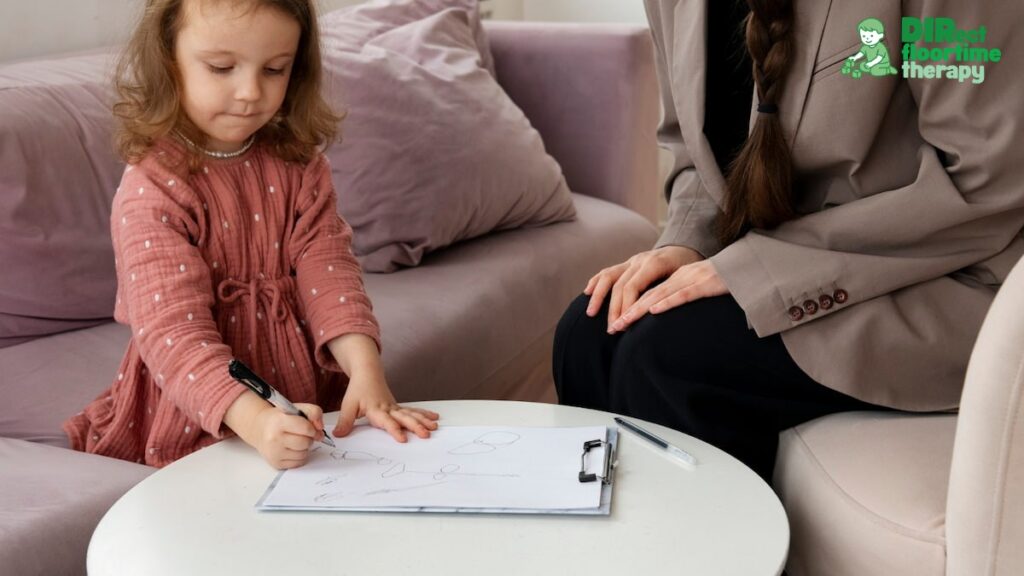
Challenging behaviors often emerge when a child feels overwhelmed, misunderstood, or disconnected. Building a strong emotional bond helps reduce these moments by improving regulation and increasing trust in the adult’s guidance.
When children experience consistent connection, they are more open to redirection, more comfortable with transitions, and more willing to try new experiences. This creates a calmer home environment and helps families navigate everyday challenges.
Behavioral improvements come not from correction but from connection, predictability, and co-regulation.
FAQs
Why is a relationship based approach recommended for children with ASD
It strengthens emotional connection, communication, and co-regulation. These foundations help children learn more naturally, stay engaged longer, and develop skills that carry into daily life.
Does relationship based therapy replace other autism supports
It does not replace needed services. Instead, it enhances all areas of development by improving attention, social understanding, and emotional readiness for learning across environments.
Can parents use relationship based techniques without formal training
Yes. Families can easily apply these strategies through warm, responsive interaction during play and daily routines. Small changes in communication create meaningful developmental benefits over time.
Choosing the Right Support for Your Child
Relationship-based therapy supports children with ASD by placing connection at the center of learning. Through shared play and responsive interaction, Direct Floortime Therapy helps children with ASD build confidence, express ideas, and engage more easily with others.
Families in New Jersey appreciate how this child led model fits naturally into everyday life. It supports communication skills, emotional awareness, and social engagement through authentic moments that feel warm and approachable.
If you want to help your child grow through deeper connection and playful engagement, we are here to support you. Contact us today to learn how relationship based therapy can guide your child’s development.