Key Points:
- Movement-based play strengthens brain connections that improve memory, focus, and problem-solving skills.
- Active play builds motor skills, confidence, coordination, and whole-body awareness in young children.
- Group movement activities nurture social skills, emotional regulation, cooperation, and positive peer interactions.
Children are born to move. Their brains are wired to learn through playful motion. Movement is far more than “just playtime.” It is how young minds explore, experiment, and build the foundation for all future learning. This is movement-based learning: a method that blends physical activity with thinking, social skills, and creativity. Offering children plenty of chances for movement play examples is not just helpful, it is essential for healthy growth. But how exactly does moving actively shape a child’s body, brain, and confidence for success?
Types of Play in Children
Movement isn’t a single activity; it covers a wide range of purposeful actions. When we talk about the benefits of physical activity, we mean various types of play in children that naturally involve motion. These activities, fueled by joy, rarely feel like work.
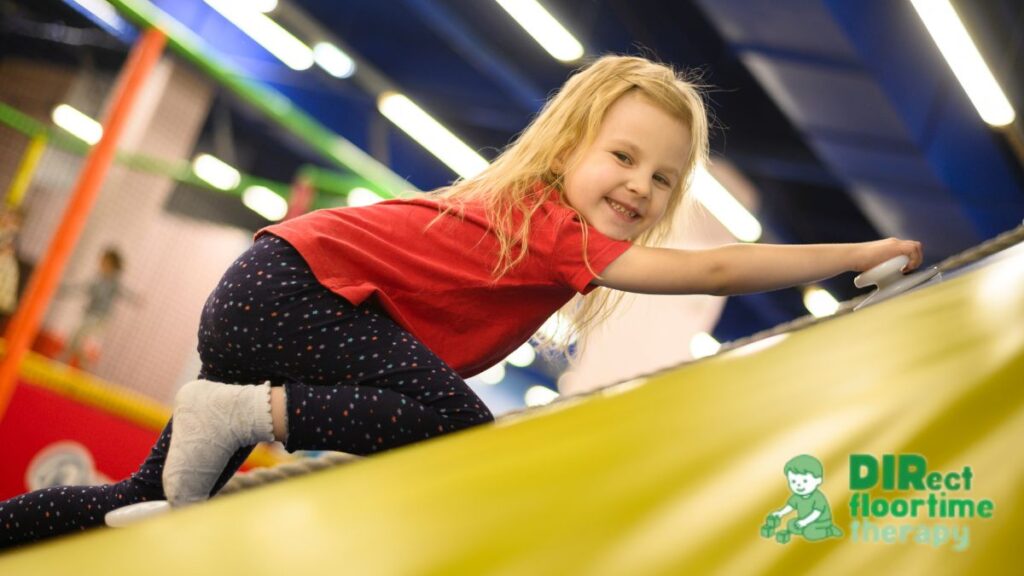
Gross Motor Play: This includes whole-body movements like running, jumping, crawling, and climbing. These activities build large muscle groups, improve coordination, and help children understand space around them.
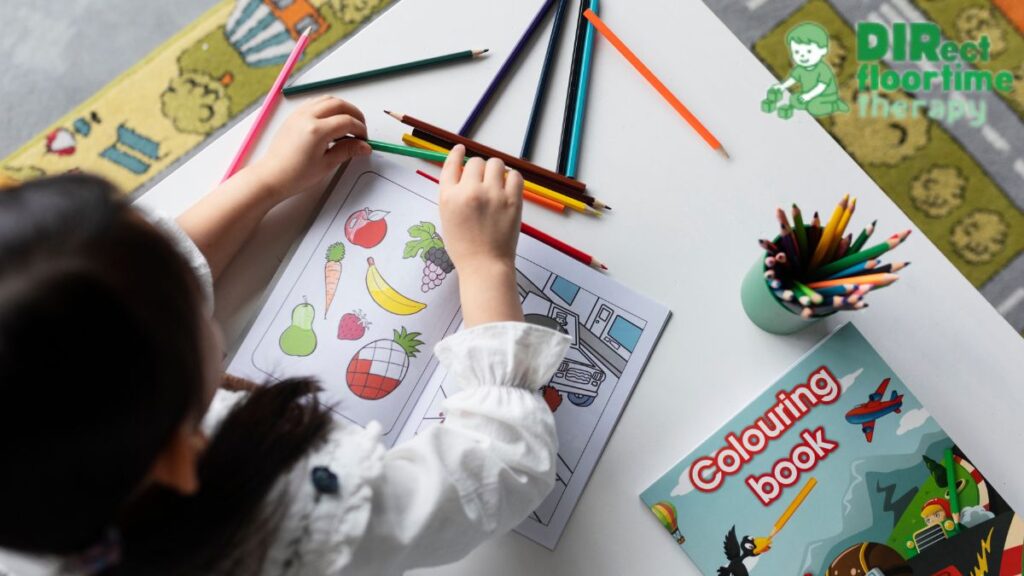
Fine Motor Play: This targets smaller muscles. Activities such as coloring, stacking small blocks, or handling natural objects like pinecones improve dexterity. These skills support writing, self-care, and hand-eye coordination.
Active Pretend Play: When children act out stories, pretend to be animals, or build forts, they mix movement with imagination. This type of move and play strengthens social skills, language, and physical coordination.
The difference between exercise and play matters. Kids don’t need strict exercise routines. They need opportunities to move playfully. When children engage naturally, their “movement diet” supports body growth, brain development, and emotional well-being.
Movement-Based Learning
For children, movement drives cognitive growth. Research shows that physical activity directly supports brain development, boosting memory, attention, and problem-solving skills. In short, movement can help kids think sharper.
The Brain-Body Connection
When a child jumps, rolls, balances, or spins, they strengthen neural pathways. These pathways improve communication between brain regions and build a foundation for learning.
Boosting Attention and Memory
Studies on various exercise programs show that movement-based learning supports cognitive growth. Moving while learning engages multiple senses, sight, sound, touch, and motion, making lessons stick. For example, children who act out a story are more likely to remember it than those who only listen. This is learning through movement in action.
Strengthening Executive Function
The prefrontal cortex, which handles decision-making and emotional regulation, benefits from physical activity. Games that involve following rules, taking turns, or planning moves improve this part of the brain and support better social skills.
Cross-Lateral Movement Magic
Movements that cross the body’s midline, like reaching from one side to the other, boost communication between the brain’s left and right hemispheres. Obstacle-style play often uses this type of movement, aiding coordination and whole-brain thinking.
Fostering Creativity and Problem-Solving
Movement-based play sparks exploration and imagination. Children can learn shapes by forming them with their bodies or practice numbers by counting steps or jumps.
Movement also helps children manage emotions. It provides a way to release energy, reduce stress, and self-calm when overstimulated. Emotional regulation lays a strong foundation for future learning.
Physical Play Child Development
Physical activity is essential for raising strong, capable kids. Movement-based play builds core strength, improves posture, and boosts flexibility.
Motor Skill Development
Physical play child development develops both large and small movements. Activities like climbing or balancing improve gross motor skills, preparing children for biking, sports, and other active tasks. Simple actions, gripping, reaching, or hanging, develop fine motor skills, supporting tasks like dressing, drawing, or using scissors.
| Skill Type | Movement Example | Developmental Benefit |
| Gross Motor | Hopping on one foot, leaping, running | Balance, coordination, strength |
| Fine Motor | Grasping small toys, drawing, pouring | Dexterity, hand-eye coordination |
| Integrated | Climbing a rope, navigating an obstacle course | Body control, spatial awareness |
Supporting Social-Emotional Skills
Movement also shapes a child’s social world. Group activities encourage teamwork, communication, and social awareness. Kids learn to take turns, follow instructions, and support one another, laying the foundation for strong peer relationships and classroom behavior. Each small win, walking a low beam or finishing a playful challenge, builds self-confidence and resilience.
Encouraging children to play to move in structured settings gives freedom to explore while learning rules and routines. Integrating physical activity throughout the day reinforces that exercise is fun. Research shows that children who engage in regular physical activity tend to develop stronger social skills, experience better emotional well-being, and thrive more in supportive environments.
The bottom line: Movement is not an interruption to learning, it is the pathway to it. Embracing movement-based learning honors the natural design of the developing child. It helps them grow into curious, capable, and well-rounded individuals. This holistic approach meets physical, cognitive, and social-emotional needs, shaping bright futures one playful step at a time.
Examples of Movement-Based Activities for Holistic Development
| Activity | Skill Developed | How it Supports Learning |
| Obstacle courses | Gross motor skills | Navigate physical challenges while practicing planning and sequencing |
| Balance beams | Core strength, coordination | Builds focus, concentration, and risk assessment |
| Dance and rhythm games | Auditory processing, creativity | Connects music, movement, and memory |
| Throwing and catching | Hand-eye coordination | Supports sensorimotor skills needed for writing and fine motor tasks |
| Nature walks | Observation, problem-solving | Combines movement with exploration, teaching cause and effect |
Children learn naturally by doing. Every jump, climb, spin, or reach builds layers of knowledge. Activities that feel playful also lay the foundation for reading, math, and executive function skills.
Frequently Asked Questions (FAQ)
1. Can a child really learn to read better by moving?
Absolutely! When a child links a movement to a letter sound or acts out a story, memory strengthens. This is called embodied learning. It activates both the motor cortex and language centers in the brain. The result is a richer, longer-lasting connection than simply seeing or hearing a word.
2. Is there a “right amount” of movement for preschoolers?
Every child is different, but the key is plenty of joyful, spontaneous movement. Kids naturally want to move. Our role is to give them time and a safe space. Short “brain breaks,” like dancing or stretching, help maintain focus during long periods of sitting.
3. How does movement help shy or anxious children?
Movement releases endorphins, which boost mood naturally. Group games give shy children a non-verbal way to interact. Physical challenges build quiet confidence and inner strength without requiring them to speak up.
4. What non-academic skill does movement teach best?
Self-regulation. Movement provides a safe way to release big emotions, like frustration or extra energy. Kids learn to calm their bodies after running or redirect excitement into purposeful motion. This skill helps them manage emotions in social settings.
5. My child prefers quiet play. How can I add movement naturally?
Start small by linking movement to current interests. Story lovers can act out characters. Builders can walk across the room like a robot to retrieve pieces. Everyday tasks, like carrying a watering can, can become playful movement. The goal is to make moving fun and purposeful, not forced.
Helping Children Thrive Through Movement
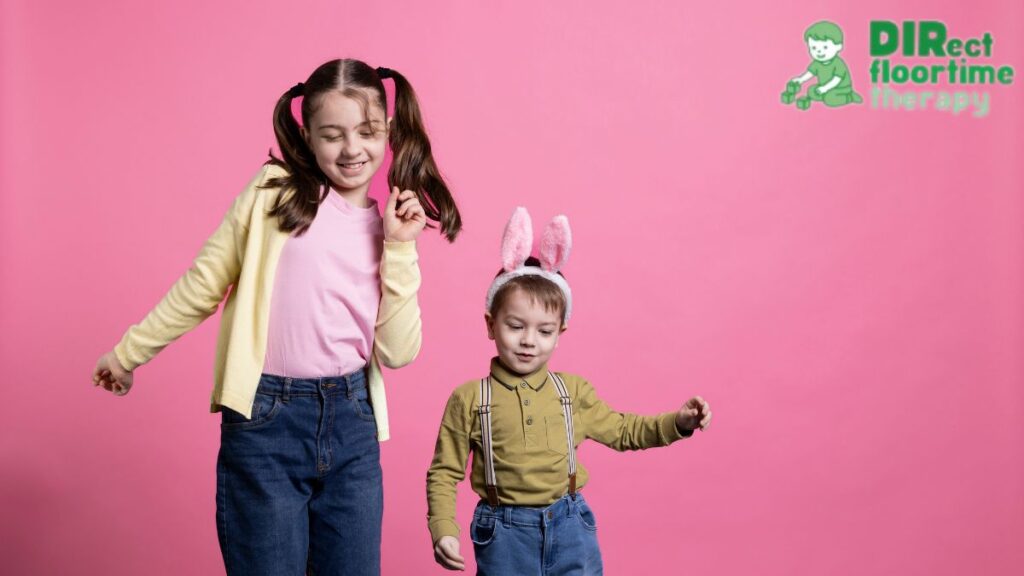
Providing opportunities for children to explore their bodies and surroundings in playful ways creates environments where learning is embodied, fun, and profoundly impactful. This kind of exploration reflects the heart of movement learning, where curiosity grows through every wiggle, jump, and stretch. Different types of play encourage children to test new skills, express creativity, and understand how their bodies work. Simple movements for kids, like crawling, hopping, rolling, or reaching, lay the groundwork for coordination and confidence. Engaging in varied movement activities also strengthens motor skills and supports emotional growth.
This approach is what makes movement-based learning so powerful. Physical exploration isn’t just fun; it fuels brain development. That’s why physical play child development is essential for building strong foundations in problem-solving, social skills, and self-regulation. At DIRect Floortime, this philosophy guides every session, helping children grow through meaningful movement and joyful interaction. At DIRect Floortime in New Jersey, we’re passionate about supporting every child’s growth through movement-based learning. Reach out to us today to discover how our programs can help your child build confidence, coordination, and curiosity while having fun.