
Key Points:
- A sensory diet is a personalized set of activities that help children with autism regulate their bodies, emotions, and focus.
- Activities can be calming, alerting, or organizing, tailored to each child’s sensory needs.
- Research shows sensory diets improve attention, reduce stress, and support daily learning and social skills.
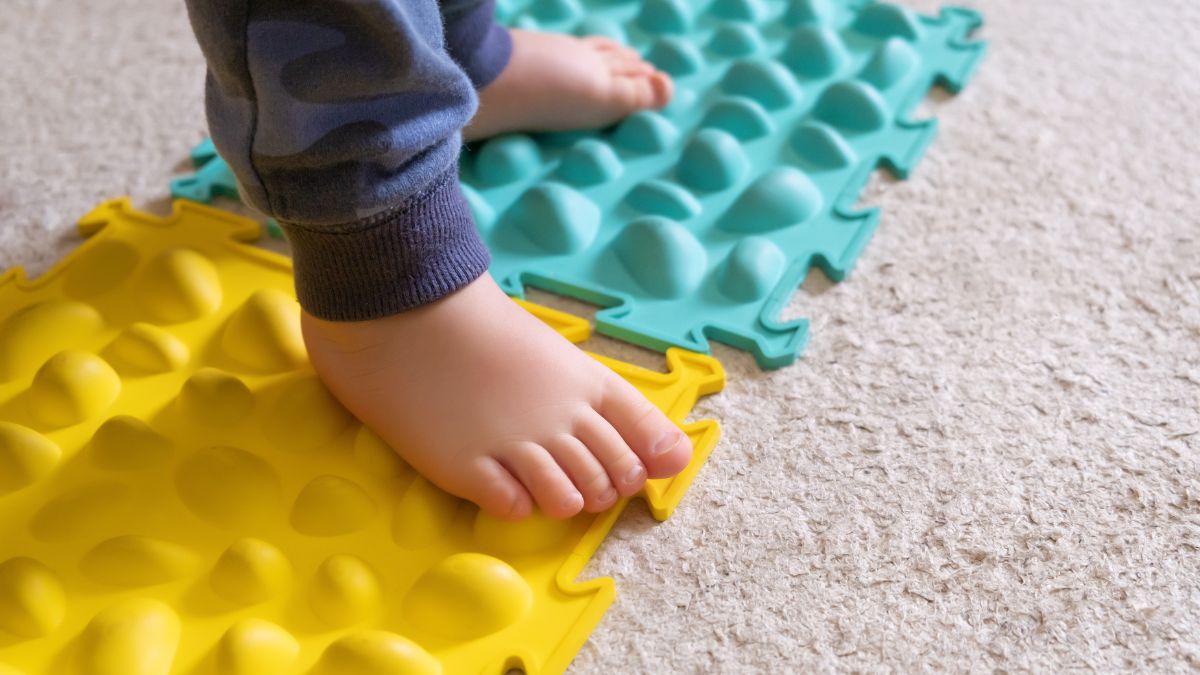
Imagine if your body had a “reset button” that helped you stay calm, alert, and ready to learn. For many children with autism, that’s what a sensory diet feels like. A sensory diet is a personalized set of activities designed to balance the nervous system. It’s not about food—it’s about the right kind of movement, touch, sights, and sounds.
Think of it as a recipe for regulation. Some kids need more input, like bouncing or lifting. Others need calming tools, like weighted blankets or soft music. Each sensory diet autism example can be adapted to fit the child’s unique profile. So, how can you start? Let’s explore fun, research-backed strategies that bring balance and joy to daily routines.
What Is a Sensory Diet?

The term “sensory diet” was first introduced by occupational therapists Patricia and Julia Wilbarger in 1991. Their idea was simple but powerful: by weaving sensory activities into the day, children can feel more regulated and ready for learning.
A sensory diet provides targeted input for different senses—touch, movement, sight, sound, taste, smell, body awareness, and balance. According to the American Journal of Occupational Therapy, children who participate in sensory integration-based activities show improved goal achievement, attention, and self-regulation (Case-Smith et al., 2015).
Why does this matter? Because studies suggest up to 90% of children with autism experience some form of sensory processing difference (Tomchek & Dunn, 2007). That’s a huge number—making sensory diets a practical tool for many families.
Benefits of a Sensory Diet
What makes sensory diets so effective? Let’s break it down:
- Improves focus—Kids can sit longer for schoolwork when their sensory needs are met.
- Reduces overwhelm—Calming activities help ease transitions between tasks.
- Supports emotional regulation—Deep pressure and rhythmic movement help manage stress.
- Boosts social skills—When kids feel calm, they’re more open to interaction.
- Builds independence—Children learn what works for them and use strategies on their own.
A 2018 systematic review found that individualized sensory activities helped children with autism reduce repetitive behaviors and increase engagement (Barton et al., 2018). Doesn’t that sound like a win?
Organizing Activities (Heavy Work)
Heavy work, also called organizing input, is all about using the muscles and joints. It gives the body feedback that says, “I know where I am in space.”
Sensory Diet Autism Example: Heavy Work
Here are activities you can try:
- Wall pushes with hands or feet
- Wheelbarrow walking
- Crawling through tunnels
- Obstacle courses with pillows or chairs
- Jumping on a trampoline
- Squat jumps (“popcorn jumps”)
- Moving chairs up or down
- Pushing a scooter board on the belly
- Pulling resistance bands
Why heavy work? Because it’s regulating. Research shows proprioceptive input (muscle and joint feedback) can have both calming and energizing effects depending on the child’s state (Schaaf & Mailloux, 2015).
Calming Activities
Calming input helps when a child is overstimulated or restless. These activities slow down the nervous system.
Sensory Diet Autism Example: Calming Input
- Rocking gently on a therapy ball
- Wrapping in a heavy blanket
- Gentle massage on hands, feet, or back
- Brushing arms with a feather
- Listening to yoga or meditation music
- Swinging slowly in a hammock or swing
- Playing with playdough or putty
- Lying down while rolling a ball gently across the body
- Using a body sock for snug, stretchy pressure
When’s the best time? Before bedtime, after a loud event, or during school transitions. Think of calming input as a “reset” tool.
Alerting Activities
What if your child seems sluggish, low-energy, or inattentive? Alerting input can wake up the system.
Examples include:
- Fast spinning on a swivel chair (short, supervised bursts)
- Jumping jacks
- Chewing crunchy snacks like apples or carrots
- Bouncing on a trampoline
- Clapping and rhythm games
- Running outdoors or racing on scooters
A 2020 study found that vestibular activities—like spinning or swinging—can increase alertness and engagement in children with autism (Lane et al., 2020).
Visual Sensory Activities
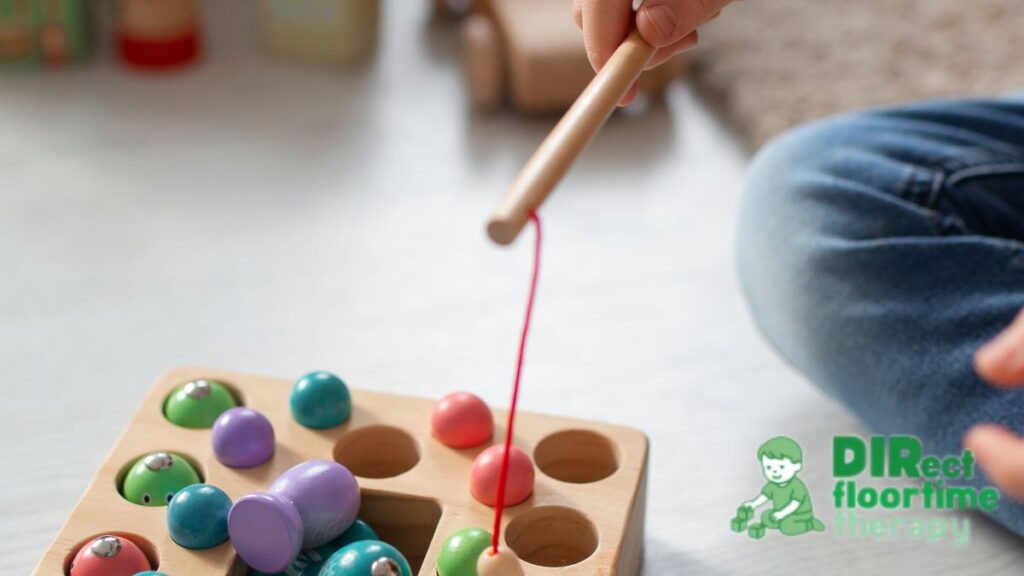
The visual system processes light, color, and movement. Too much visual clutter can overwhelm, but the right tools can help.
To Calm:
- Lava lamps or bubble tubes
- Calm sensory bottles with glitter
- Dimmed lighting
- Decluttered spaces
To Alert:
- Sorting colorful objects
- Light tables with shapes
- Pinwheels or kaleidoscopes
Tactile Activities (Touch Input)
Touch can be calming or alerting depending on texture and pressure.
- Calming: Smooth fabrics, lotion massage, warm water play.
- Alerting: Sandpaper, spiky balls, textured bins with rice or beans.
- Exploratory: Playdough, slime, shaving cream art.
Studies show tactile play not only regulates mood but also strengthens fine motor skills (Baranek et al., 2002).
Proprioceptive Activities (Body Awareness)
Body awareness input comes from pushing, pulling, lifting, or deep pressure.
Examples include:
- Carrying groceries or backpacks (light loads)
- Yoga poses like downward dog
- Chair push-ups
- Crawling through tunnels
- Jumping with weighted balls
This system is often the “go-to” for regulation. It’s grounding, like a hug for the nervous system.
Vestibular Activities (Balance and Movement)
Vestibular input comes from movement—spinning, swinging, and rocking. It affects balance and coordination.
- Linear swinging (back and forth)
- Slow rocking in a rocking chair
- Balance beam walking
- Rolling down a hill or across a mat
Tip: Vestibular input can be powerful. Some kids calm down, while others get overstimulated. Always observe and adjust.
Taste and Smell Activities
Olfactory and gustatory senses are less discussed, yet powerful.
- Smell: Lavender or vanilla for calming, peppermint or citrus for alerting.
- Taste: Crunchy foods for alerting, chewy or mildly sweet foods for calming.
- Fun ideas: Scented playdough, spice jars for sniffing games, and popsicles for oral input
Table: Matching Sensory Needs with Activities
| Need | Calming Example | Alerting Example |
| Restless body | Weighted blanket | Jumping jacks |
| Overstimulated | Soft music, dim lighting | N/A |
| Low energy | Swinging slowly in a hammock | Fast trampoline jumps |
| Avoids textures | Smooth fabrics, lotion massage | Sand or bean sensory bin |
| Anxious | Deep pressure squeezes | Rhythm games with clapping |
Case Studies: How Sensory Diets Work in Real Life
In one case study published in Frontiers in Psychology (2019), a six-year-old boy with autism who participated in a structured sensory diet showed improved classroom engagement and reduced repetitive movements within six weeks.
Another study with 48 children using sensory integration therapy found measurable gains in daily living skills and socialization after 10 weeks (Pfeiffer et al., 2011).
What does this tell us? Consistency works. Small, repeated doses of sensory input throughout the day can lead to big changes.
How to Start a Sensory Diet at Home
- Observe: Watch how your child reacts to sights, sounds, textures, and movement.
- Identify patterns: Do they seek pressure? Avoid noise? Crave motion?
- Pick activities: Choose calming or alerting strategies that match their needs.
- Schedule: Insert activities before transitions or challenging tasks.
- Track progress: Note changes in focus, mood, or behavior.
Remember: flexibility is key. What works today might shift tomorrow.
FAQs About Sensory Diet for Autism
1. Can sensory diets help teenagers with autism, or are they just for younger kids?
Absolutely. Sensory diets can benefit any age group. Teens might prefer more age-appropriate activities, like yoga, weightlifting, or listening to calming playlists.
2. How long should a sensory diet activity last?
Most last between 5 and 20 minutes. The key is quality input, not duration. Watch your child’s cues to know when they’ve had enough.
3. Do sensory diets only help with autism, or can they support ADHD too?
Yes, they can help ADHD as well. Many children with ADHD benefit from heavy work or movement breaks to improve attention.
4. Can I combine sensory diet activities with schoolwork?
Yes! Try chair push-ups before math or listening to calming music during reading. Pairing activities with learning boosts focus.
5. How do I know if an activity is working?
Look for signs like improved mood, better focus, smoother transitions, or reduced stress. If the activity seems to backfire, swap it out for another.
Finding Balance Through Sensory Diets
A sensory diet is like a personalized toolbox—filled with activities such as Direct Floortime, calming blanket wraps, or energizing trampoline jumps that help children with autism regulate their bodies and minds. Each sensory diet autism example is a small step toward turning stress into balance, creating moments where kids feel more grounded and connected.
When children are regulated, they learn better, engage more, and enjoy life with greater ease. That’s why approaches like Direct Floortime can make such a difference, especially when combined with a thoughtful sensory plan tailored to each child’s needs. Families in New Jersey and beyond can benefit from these supportive strategies that honor both challenges and strengths.If you’d like to explore how a sensory diet can work for your child, reach out to us today. Together, we can build routines that nurture growth, joy, and everyday success.

