
Key Points:
- Engage your 6-month-old with playful activities that spark curiosity and strengthen development.
- Explore sensory play that encourages movement, builds coordination, and fosters early learning.
- Transform everyday items into interactive setups that make playtime a joyful learning adventure.
Ever wonder what’s going on inside your baby’s curious little mind? At six months, your baby is learning faster than ever, reaching, grabbing, listening, and responding to the world around them. These discoveries don’t just happen by chance; they’re built through play. The best activities for 6-month-old babies combine fun with gentle stimulation that sparks early learning.
According to research in Frontiers in Psychology (2024), sensory play strengthens brain pathways that support language, problem-solving, and emotional development. The best part? You can do it right at home with simple setups that turn everyday moments into joyful milestones.
Let’s explore five easy sensory play ideas your baby will love, each one crafted to boost learning while keeping smiles wide.
1. Tummy Time Adventure
Why It Matters
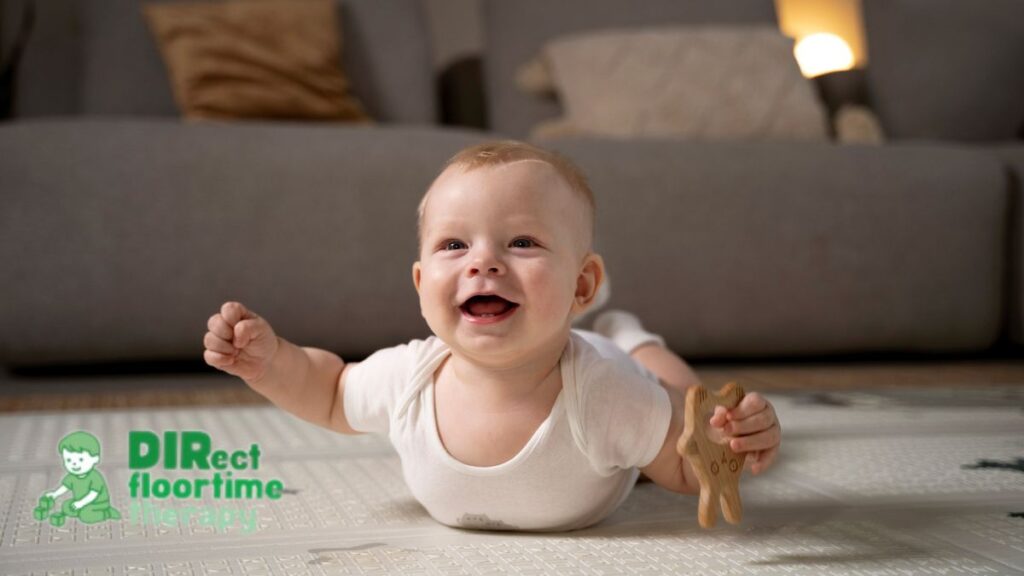
Tummy time does more than build strong muscles—it builds confidence. It’s one of the simplest yet most powerful 6 month old baby activities for supporting movement and coordination. Babies who engage in daily tummy time often develop motor skills earlier and show better postural control later on.
How to Do It
- Create a Cozy Space: Lay a soft blanket on the floor. Place a small mirror, a colorful rattle, or textured toys within reach.
- Add Fun Sensations: Let your baby touch smooth fabric, crinkly paper, or soft plush toys.
- Be Their Cheerleader: Lie down face-to-face. Clap, coo, or sing to encourage them to lift their head or reach for toys.
When your baby pushes up to see your smile, that’s their first mini workout in action. They’re strengthening their back, neck, and shoulders—all essential for crawling.
Benefits
- Builds muscle coordination
- Boosts head control and balance
- Encourages sensory exploration and focus
2. DIY Sensory Bottles
Why It Matters
Visual stimulation fuels early brain development. Sensory bottles are safe, mesmerizing, and easy to make. Visually engaging play enhances tracking skills and strengthens the visual cortex.
How to Do It
- Prepare the Bottle: Fill a clear plastic bottle with water, glitter, oil, or small beads.
- Mix It Up: Try glitter in water for sparkle or oil and colored water for slow, soothing swirls.
- Engage the Curiosity: Gently shake the bottle and let your baby watch how everything moves. Roll it across the floor for an extra layer of baby floor time fun.
Each shake becomes a science lesson—cause and effect in action! Babies love watching how things move, teaching them patience, curiosity, and observation.
Benefits
- Improves visual tracking
- Strengthens fine motor skills
- Teaches cause-and-effect relationships
3. Water Play Wonder
Why It Matters
There’s something magical about water. It’s soothing, stimulating, and a perfect medium for sensory play that 6-month-old babies can enjoy. Water-based play can help lower stress while improving coordination and focus.
How to Do It
- Set the Scene: Use a shallow basin or baby-safe tub with lukewarm water.
- Add Toys: Rubber ducks, sponges, or soft cups create endless fun.
- Explore Together: Gently splash, pour water from cup to cup, or show how things float or sink.
Your baby’s little hands will naturally splash and grab, helping build strength and timing. You’ll love the laughter that follows!
Benefits
- Engages multiple senses—touch, sight, and sound
- Builds hand-eye coordination
- Promotes calmness through rhythmic splashing
Tip: Always stay close during water play. It’s not just about safety—it’s about sharing the wonder.
4. Texture Treasure Hunt
Why It Matters
Babies learn about their world one touch at a time. Exploring different textures helps develop tactile awareness and builds pathways for memory and recognition. Exposure to varied textures can support faster sensory processing skills.
How to Do It
- Gather Fabrics: Try satin, fleece, burlap, or soft cotton squares.
- Create a Sensory Mat: Spread them on the floor for your baby to touch and explore.
- Guide the Experience: Encourage your baby to grab, pat, or rub fabrics on their arms or face.
Want to make it even more exciting? Pair each texture with a simple sound or word—“soft,” “rough,” or “smooth.” This bridges touch with language learning.
Benefits
- Enhances tactile sensitivity
- Encourages hand coordination
- Builds early vocabulary connections
Bonus: These activities double as wonderful sensory play for babies working on sitting balance and reach control.
5. Music and Motion Magic
Why It Matters
Music doesn’t just entertain—it educates. Rhythmic play helps infants develop auditory memory and pre-language skills. By six months, babies already respond to beats, tempo changes, and familiar melodies.
How to Do It
- Pick Baby Instruments: Soft maracas, shakers, or baby-safe tambourines are perfect.
- Play Together: Tap, shake, or sing along to your favorite nursery songs.
- Encourage Participation: Let your baby hold the instrument or mimic your movements.
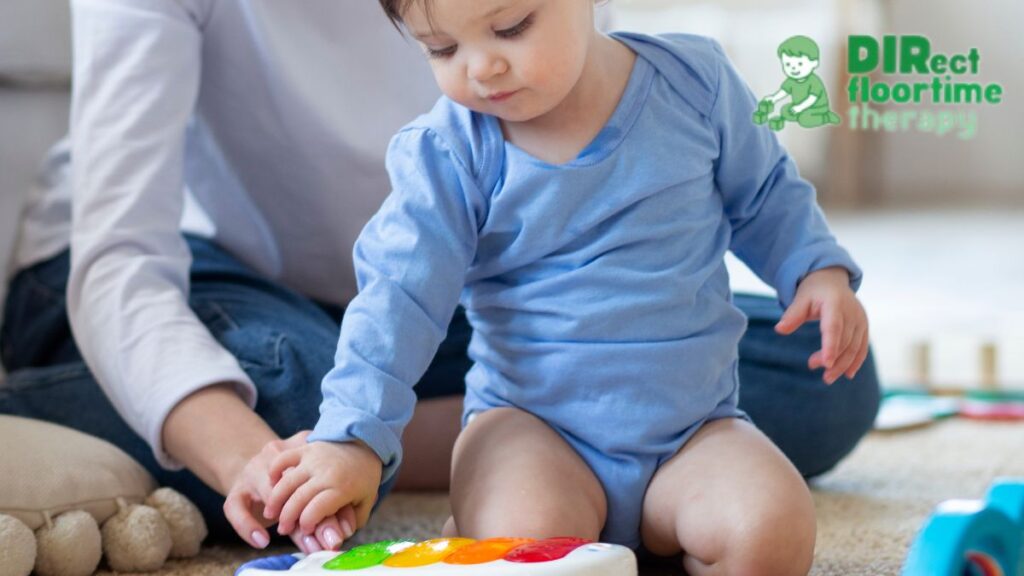
Music play combines rhythm, touch, and motion—making it a triple-sensory experience. Every shake and giggle builds motor coordination and listening skills.
Benefits
- Boosts listening and rhythm awareness
- Enhances movement coordination
- Encourages joyful emotional bonding
Pro Tip: You can turn any everyday item—a spoon, a box, or a rattle—into an instrument. The goal is connection, not perfection.
Why Sensory Play Works
Sensory play builds more than memories—it builds brain connections. During the first year of life, neural pathways grow rapidly. When babies touch, listen, or move, they’re wiring their brains for learning.
Below is a quick overview of how different sensory activities nurture specific skills:
| Sense Engaged | Example Activity | Skill Developed |
| Touch | Texture play with fabrics | Fine motor control |
| Sight | Sensory bottles | Visual tracking |
| Sound | Musical play | Auditory awareness |
| Movement | Tummy time | Core strength, coordination |
| Touch + Sight | Water play | Hand-eye coordination |
Simple, everyday actions create powerful learning. You don’t need special equipment—just your time, warmth, and imagination.
Making Baby Floor Time Count
Floor play may look simple, but it’s one of the most important parts of early development. It helps babies practice movement, explore objects, and gain independence safely. Think of baby floor time as their first classroom, a space for discovery, play, and growth.
Here are a few mini activities you can try:
- Rolling Challenge: Place a colorful toy just out of reach to motivate rolling.
- Mirror Fun: Babies love their reflections. Place an unbreakable mirror nearby to spark curiosity.
- Reach and Grab: Use soft blocks or fabric ribbons to encourage reaching and grasping.
Each little move strengthens motor skills and cognitive mapping. It’s your baby’s way of saying, “I’m learning!”
Quick Recap: The 5 Fun Sensory Play Ideas
- Tummy Time Adventure – Builds strength and focus
- DIY Sensory Bottles – Stimulates visual curiosity
- Water Play Wonder – Engages multiple senses
- Texture Treasure Hunt – Teaches tactile awareness
- Music and Motion Magic – Enhances rhythm and listening
Each of these activities for 6-month-old babies nurtures sensory awareness while keeping the experience playful and pressure-free. Whether it’s splashing in water or watching glitter swirl in a bottle, every giggle counts as growth.
The Big Picture: Play Is Learning
Sensory play teaches babies to make sense of their world. When they hear a sound, touch a new texture, or see bright colors, their brain processes, stores, and reacts. Over time, these experiences form the foundation for thinking, moving, and communicating.
Research shows that babies exposed to a variety of sensory experiences are more likely to develop early problem-solving skills (Rat-Fischer, Plunkett, von Bayern, & Kacelnik, 2024). It’s proof that fun really does fuel development.
So the next time your baby splashes water or shakes a rattle, smile; you’re watching their brain grow in real time.
FAQ: Fun, Curious, and Helpful Insights
1. How long should sensory play sessions last for a 6-month-old?
Keep sessions short—about 10 to 15 minutes at a time. Babies learn best in small bursts, especially during sensory play 6-month-old sessions. Watch for signs of tiredness or overstimulation, like fussing or turning away.
2. Can I do sensory play before naptime?
Yes, but choose calm activities like gentle fabric exploration or quiet music. Avoid high-energy play right before rest—it might overstimulate your little one.
3. Do I need special toys for sensory play?
Not at all! Everyday items like soft sponges, ribbons, or spoons work beautifully. Sensory play is about how your baby experiences textures, sounds, and sights—not expensive toys.
4. What’s the best way to include siblings in sensory play?
Older siblings can help by shaking sensory bottles or singing along during music time. It encourages bonding while teaching your baby about social cues.
5. How early can I start sensory play for babies?
You can start as early as birth with gentle touch and visual tracking exercises. By six months, your baby is ready for hands-on exploration through the five fun activities in this guide.
Helping Your Baby Explore Every Day
Your baby doesn’t need fancy toys or long routines. With DIRect Floortime, your voice, laughter, and patience become the most important tools for connection. Every giggle, splash, or squeeze is a chance to build thinking, feeling, and social skills. How does this work? Sensory play helps your baby explore textures, sounds, and movement. Each experience slowly teaches them how the world works. Families in New Jersey notice that short daily interactions, guided by DIRect Floortime ideas, can strengthen bonds and support early growth. Want to make playtime more meaningful? Reach out to us for tips, simple activities, and guidance that fit your child’s pace. With a little focus and fun, your home can become a safe, playful space where your baby learns, grows, and discovers joy every day.