
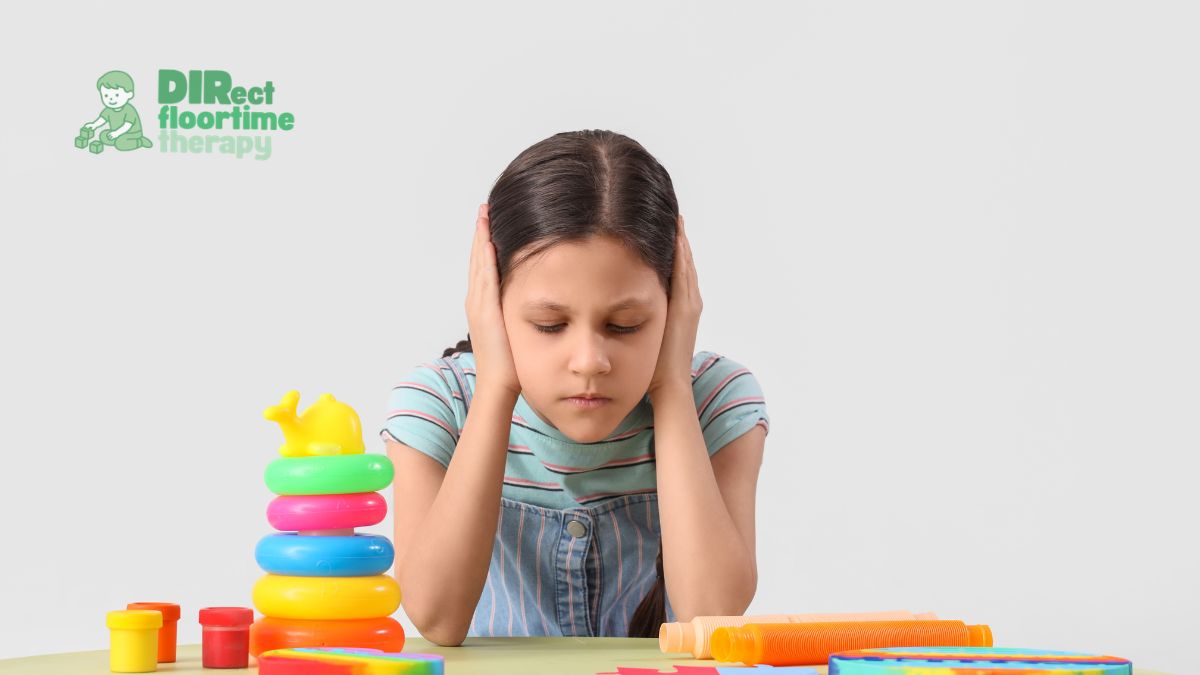
Learn how understanding misophonia and auditory hypersensitivity can transform chaotic mealtimes into moments of connection for New Jersey families living with autism.
Key Points
- Misophonia in autism creates a physical “fight-or-flight” response to specific sounds like chewing or clicking, often mistaken for behavioral issues in children.
- DIR/Floortime mealtimes focus on co-regulation and modifying the sensory environment rather than forced exposure, helping NJ families eat together again.
- Auditory filtering differences mean autistic children may struggle to separate a parent’s voice from the hum of a refrigerator, making mealtimes exhausting.
Families in Westfield, New Jersey, and across the state often search for ways to bring peace back to the dinner table. When a child has autism, the simple act of sitting down for a meal can feel like a high-stakes emotional gamble. While many parents assume the tension comes from picky eating or “difficult” behavior, the reality is often rooted deep within the child’s nervous system.
When sounds that seem harmless to others the crunch of a chip, the click of a spoon, or even the sound of heavy breathing trigger an immediate meltdown, the family unit can begin to fracture. Some families in Montclair or Cherry Hill report they haven’t eaten a meal together in years. This is where the DIR/Floortime approach offers a refreshing, relationship-based perspective. It moves away from “compliance” and instead asks: What is this child’s sensory system telling us, and how can we support them through connection?
Research in the field of sensory processing highlights that for many children on the spectrum, the auditory world is not just loud—it is unpredictable and occasionally painful. This article explores the clinical reality of misophonia and auditory hypersensitivity, providing NJ parents with the tools to move from “surviving” mealtimes to building a supportive, sensory-friendly home environment.
Understanding the Auditory Wall: Misophonia and Autism
In the clinical world, we often talk about the “Three Ds” of DIR: Developmental, Individual-difference, and Relationship-based. When a child in Princeton or Ridgewood bolts from the table because of a chewing sound, we are looking directly at an Individual-difference in auditory processing.
What is Misophonia?
Misophonia is more than just being “annoyed” by a sound. It is a neurological condition where specific “trigger” sounds provoke an intense emotional or physiological response—typically anger, panic, or the need to escape. Unlike general sensitivity to volume (hyperacusis), misophonia is about the pattern and meaning of the sound.
A landmark fMRI study by Kumar et al. (2017) found that individuals with misophonia show significantly higher activation in the anterior insular cortex (AIC). This is the part of the brain that determines which stimuli in our environment deserve our emotional attention. For an autistic child, the sound of a sibling chewing isn’t just a noise; their brain flags it as a literal threat to their safety, instantly activating the sympathetic nervous system.
The Role of Auditory Filtering
Many autistic children also struggle with “auditory filtering.” In a typical brain, the nervous system can “tune out” the hum of the dishwasher to focus on a parent’s voice. For a child with autism, every sound may arrive at the same volume and importance. When you combine this lack of filtering with the distress of misophonia, the dinner table becomes a sensory “hall of mirrors” where every sound is amplified and threatening.
Why Mealtimes Are the Hardest Hour for NJ Families
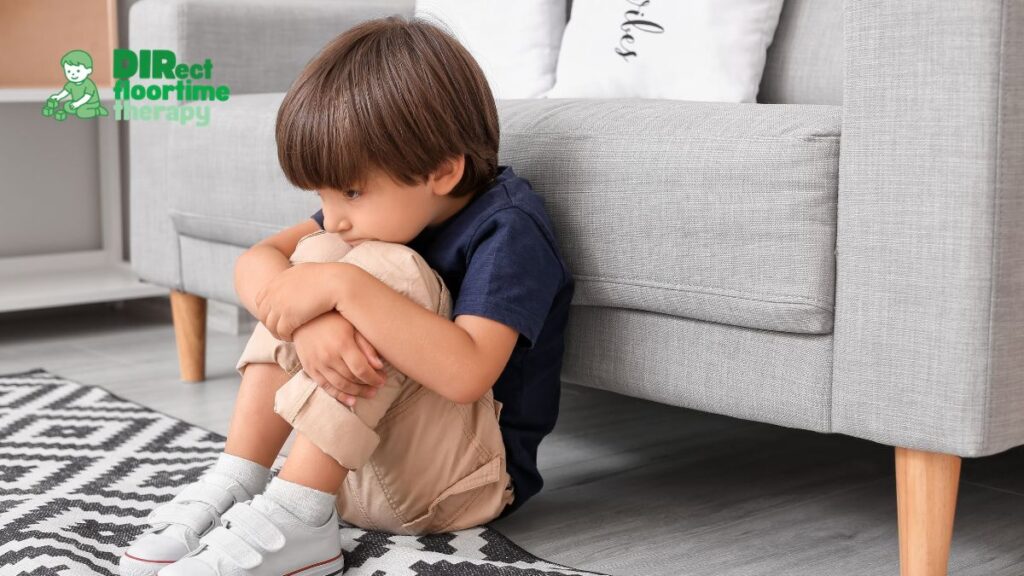
The dining room is a unique sensory environment. It combines olfactory (smell), tactile (texture), and auditory (sound) input simultaneously. For a child already working hard to navigate social cues and language, this sensory load can lead to “sensory shut down.”
Studies suggest that children with autism who experience high levels of sensory defensiveness often show increased anxiety and decreased social participation. In New Jersey, where family life often revolves around shared meals and celebrations, the absence of a child at the table is felt deeply by every family member.
Familiarity and Trigger Sounds
Interestingly, misophonia triggers are often most intense when they come from loved ones. A child might be fine eating in a loud cafeteria in Livingston but become dysregulated by the sound of their mother chewing at home. This is not a sign of “disrespect”; it is a reflection of the child’s comfort level and the specific acoustic environment of the home.
Recognizing these triggers as neurological rather than behavioral is the first step in the DIR/Floortime journey. When we stop viewing the child as “defiant” and start seeing them as “distressed,” the path toward healing begins.
Preparing the Home: Creating a Sensory-Safe Dining Zone
Transitioning mealtimes works best when the environment is modified to meet the child’s needs. We cannot “force” a nervous system to stop feeling pain, but we can provide the scaffolding necessary for the child to feel safe.
Parents can start by observing the “sensory profile” of their dining area. Is the room echoey? Is the lighting too bright? Are the chairs “noisy” when they slide across the floor?
Helpful Ways to Prepare the Environment
- Acoustic Buffering: Use tablecloths, area rugs, and curtains to dampen the “sharpness” of sounds like silverware hitting plates.
- Strategic Seating: Allow the child to sit in a spot where they feel most secure, perhaps further away from the loudest “chewers” in the family.
- Background Masking: Soft, rhythmic background music or a white noise machine can help “blur” the trigger sounds, making them less distinct and easier to ignore.
- Visual Schedules: Use a visual timer so the child knows exactly how long the “shared” portion of the meal will last.
When a child feels their sensory needs are respected, they are more likely to engage in the social-emotional growth that DIR/Floortime facilitates.
DIR/Floortime Strategies for Mealtimes
In the DIR model, the goal of a “session” (even a mealtime) is to foster back-and-forth communication and shared attention. If a child is in a state of “flight” because of misophonia, they cannot reach these developmental milestones.
Practical Floortime Techniques for the Table
- Follow the Lead (with Food): If your child prefers to eat standing up or sitting on a sensory cushion, allow it. The goal is the interaction, not the “proper” sitting posture.
- Playful Interaction: Turn the meal into a “science lab.” Use a spoon to make a drumbeat or “paint” with sauce. This shifts the focus from the sound of eating to the joy of play.
- Co-Regulation: If you notice your child’s shoulders tensing, model deep breathing. Use a calm, low voice. Your regulated nervous system acts as an anchor for theirs.
- The “Exit Hatch”: Always give the child a “way out.” Knowing they can leave the table if it gets “too much” reduces the anticipatory anxiety that often triggers a meltdown before the meal even starts.
By integrating these techniques, mealtimes in Newark or Voorhees transform from a battle of wills into an opportunity for “circles of communication.”
Supporting Emotional Balance for the Whole Family
It is not just the child with autism who suffers during a sensory-charged mealtime. Siblings may feel they have to “walk on eggshells,” and parents often carry the weight of guilt or exhaustion.
Providing support for the entire family benefits the child’s progress. Research indicates that when parent stress is reduced, child outcomes in DIR-based interventions improve significantly.
Strategies for Family Well-being
- Sibling Education: Explain to brothers and sisters that their sibling’s brain is “extra sensitive” to sound, like having a “superpower” that sometimes hurts.
- Individual Time: Ensure that other children get “noise-friendly” meals where they don’t have to worry about their sounds.
- Professional Guidance: Working with a DIR/Floortime specialist in NJ can provide a neutral space to discuss these frustrations and develop a custom “sensory diet” for the home.
When the family feels supported, the home becomes a place of safety rather than a source of stress.
Integrating Sensory Awareness into NJ Life
Families sometimes assume that “therapy” only happens in a clinic. In reality, the most meaningful progress happens in the kitchen, the car, and the classroom.
Integrating sensory awareness into everyday life in communities like Lakewood, NJ, helps children generalize their coping skills. For example, if a child learns to use “noise-canceling headphones” successfully at home, they may feel more confident using them during a busy school assembly.
Habits for Everyday Connection
- The Ten-Minute Check-in: Spend ten minutes of “pure” Floortime (no demands, just following their lead) before a meal to ensure the child is regulated.
- Meal Prep as Play: Involving the child in cooking (stirring, pouring, smelling) helps them “acclimatize” to the food and sounds before the pressure of sitting down.
- Celebrating Success: If a child stays at the table for two minutes longer than yesterday, celebrate that win!
Consistency in these small moments leads to long-term developmental growth.
Building a Path Forward Through Regulation
DIR/Floortime shifts the focus from “fixing” a child’s misophonia to “supporting” the child through it. By recognizing that auditory hypersensitivity is a physical reality, we remove the shame and frustration that so often clouds family relationships.
Children learn best when they are regulated and connected. Shared laughter over a “silly” sensory modification is worth more than a thousand hours of forced compliance.
Research consistently shows that relationship-based interventions improve:
- Communication: Children find ways to “ask” for sensory breaks instead of screaming.
- Social Skills: Shared mealtimes provide the natural environment for turn-taking and eye contact.
- Emotional Resilience: Children learn that they can handle “big feelings” with the help of their parents.
For many households seeking autism support in New Jersey, understanding the “Body in Distress” is the first step toward a more peaceful, connected life.
FAQs
Is misophonia the same as being a “picky eater”? No. While they can overlap, misophonia is about the sound of eating, whereas picky eating is usually about the texture or taste of the food.
Can my child “grow out” of auditory sensitivity? While the nervous system can become more resilient through DIR/Floortime and sensory integration, many individuals maintain these sensitivities throughout life. The goal is to build coping strategies and a supportive environment.
Should I use noise-canceling headphones at the table? They can be a great tool for “emergency” regulation, but the goal of Floortime is to use them as a bridge toward other masking techniques (like music) that allow for more social connection.
How do I explain this to my child’s teacher in NJ? Ensure that “Auditory Processing” and “Sensory Defensive Behaviors” are documented in their IEP. Request a “Quiet Lunch” option as an accommodation.
What if my child is “non-verbal”? Misophonia affects everyone regardless of verbal ability. Watch for physical cues: covering ears, grimacing, or sudden agitation during mealtimes.
Turn Mealtimes Into Connection: Join the Floortime Circle
While the sound of chewing may currently feel like a barrier, it can actually become an entry point for deeper understanding. By attending to your child’s sensory needs, you are sending a powerful message: I see you, I hear you, and I am here to help you feel safe.
At Direct Floortime, we specialize in helping NJ families navigate the complex individual differences of autism. Whether you are in Westfield or Trenton, our team is dedicated to turning daily struggles into developmental milestones.
Contact Direct Floortime to learn how our relationship-based approach can help your family find peace at the dinner table and beyond.