
Getting an Autism Evaluation in New Jersey: A Parent’s 1st Step After Noticing Developmental Concerns

Parents in New Jersey who notice developmental differences in their toddler often feel overwhelmed and unsure where to begin. This guide walks families through the first steps of getting an autism evaluation in NJ, from recognizing early signs of autism to navigating both medical diagnoses and free state-supported services. Learn how to access evaluations, early intervention programs, school support, and relationship-based therapies like DIRFloortime to help your child thrive with confidence and connection.
When You Are the One Who Is Regulated: How NJ Parents Can Build Their Own Nervous System Capacity Before the Meltdown Arrives

Discover why your own emotional state is the most powerful tool in your child’s therapy and learn how NJ parents can cultivate personal nervous system capacity to drive better DIR/Floortime outcomes.
The Long View: The DIR/Floortime Journey from Early Intervention to Lifelong Independence

Reflect on the developmental trajectory of the Developmental, Individual-Differences, Relationship-Based (DIR) model. Understand how building a strong emotional foundation in childhood leads to resilience, self-advocacy, and a self-determined, meaningful life for autistic individuals across New Jersey.
The Birthday Party Paradox: Why Social Celebrations Often Lead to Sensory Shutdowns and How to Reimagine Them

Navigate the complex social and sensory terrain of birthday parties for autistic children in New Jersey. Learn DIR/Floortime strategies to adapt celebrations for regulation, connection, and genuine joy.
The Cafeteria Is the Hardest Room in the School: Noise, Smell, Crowds, and Lunchtime Meltdowns for Autistic Children in NJ

Unpack the sensory assault of the school lunchroom and discover how NJ parents can advocate for IEP accommodations and use DIR/Floortime strategies to support their child’s school-day regulation.
What My Child’s Humming, Squealing, and Shrieking Is Actually Saying: Reading Pre-Verbal Vocalizations in Autism
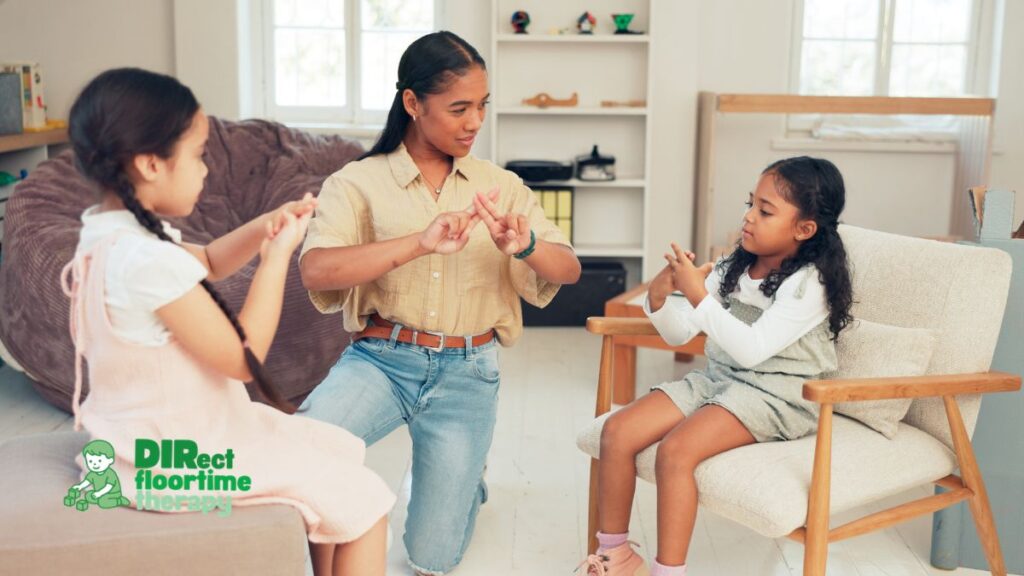
Learn how to decode the hidden language of pre-verbal sounds and use DIR/Floortime strategies to turn vocalizations into meaningful communication for your autistic child in New Jersey.
Why My Child Falls Apart After School but Was Fine All Day: After-School Meltdowns, the Shutdown Pattern, and What NJ Parents Are Missing

Discover why autistic children often “explode” at home after a successful day at school and learn DIR/Floortime strategies to support your child’s emotional regulation during the transition from school to home.
My Child Points at Nothing: What Pointing Actually Means in Autism and Why Its Absence Is a Clinical Signal NJ Parents Should Know

Explore the developmental significance of pointing in autism and learn how DIR/Floortime helps New Jersey parents foster joint attention and shared engagement through play.
The Tag in the Shirt That Ruined the Morning: Clothing Sensory Issues, Seams, and Getting Dressed with Autism in NJ
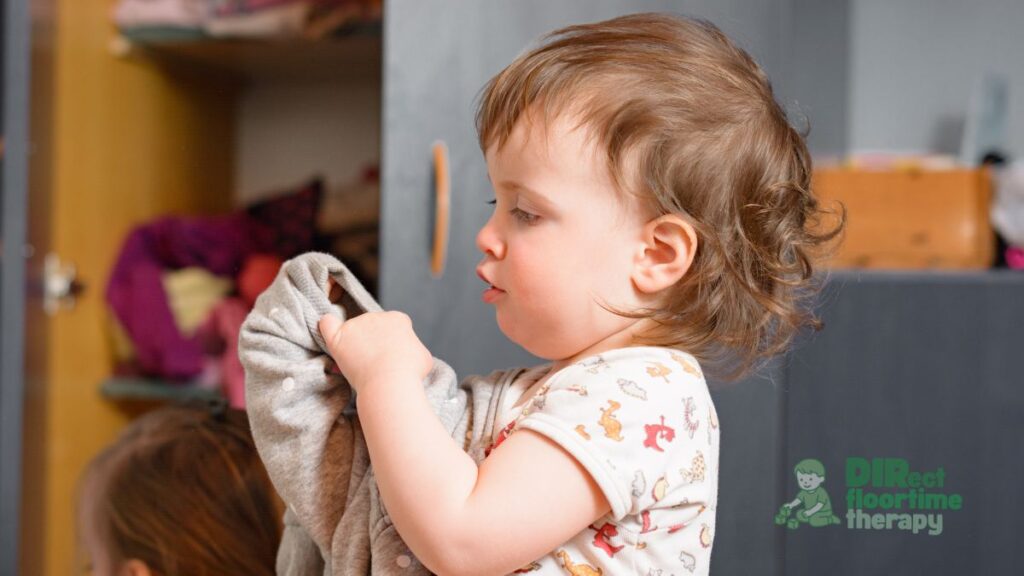
Discover how to turn the stressful morning dressing routine into a successful start to the day by understanding the tactile and proprioceptive challenges children with autism face.
My Child Cannot Stand the Sound of Chewing: Misophonia, Auditory Hypersensitivity, and Mealtimes in NJ Homes
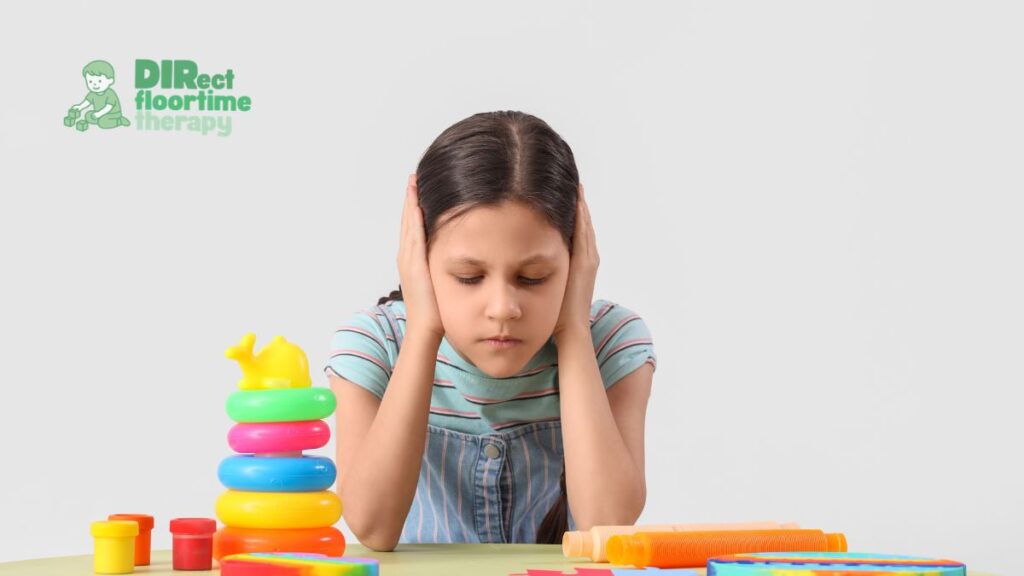
Learn how understanding misophonia and auditory hypersensitivity can transform chaotic mealtimes into moments of connection for New Jersey families living with autism. Key Points Families in Westfield, New Jersey, and across the state often search for ways to bring peace back to the dinner table. When a child has autism, the simple act of sitting […]