
5 Fun Sensory Play Ideas for Your 6-Month-Old Baby
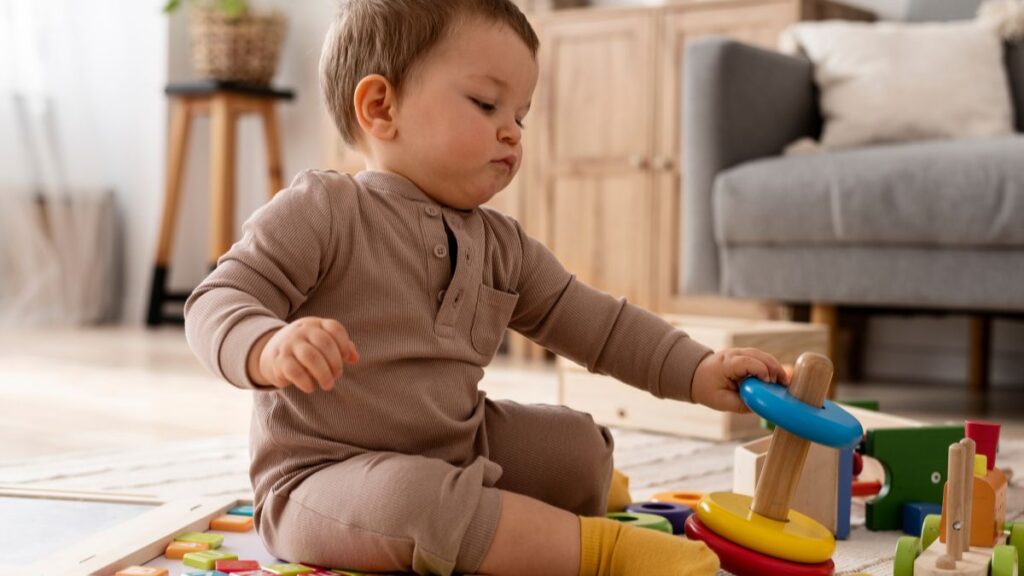
Key Points: Ever wonder what’s going on inside your baby’s curious little mind? At six months, your baby is learning faster than ever, reaching, grabbing, listening, and responding to the world around them. These discoveries don’t just happen by chance; they’re built through play. The best activities for 6-month-old babies combine fun with gentle stimulation […]
What DIR Floortime Therapy Looks Like in Your Living Room
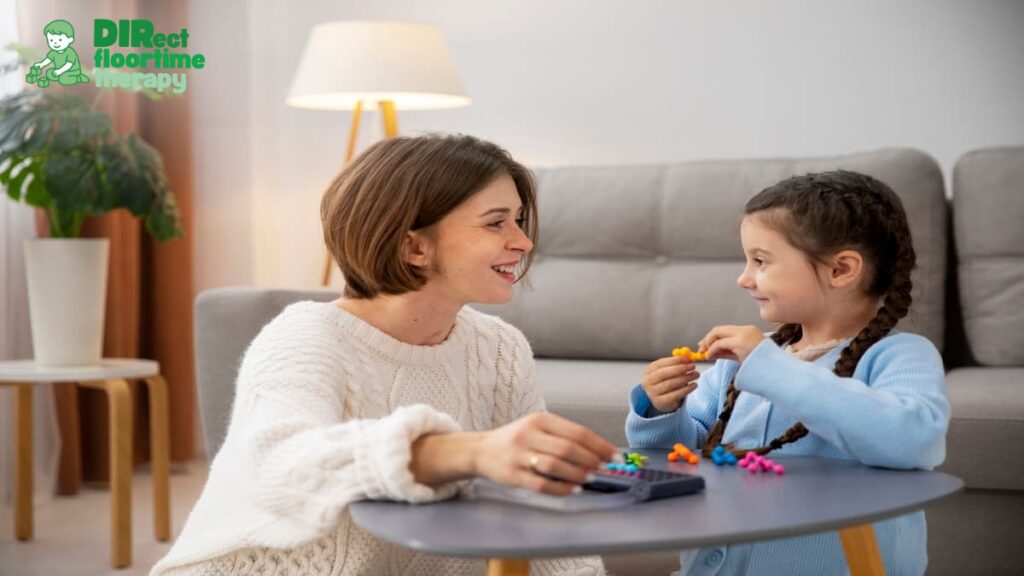
Key Points: DIR Floortime is a therapeutic play method built around understanding your child’s developmental level, honoring their individual differences, and leveraging your relationship to promote growth. The name “Floortime” hints at one of its core practices — adults physically joining children on the floor, engaging through their world and expanding it together. If you […]
How DIR/Floortime Therapy Supports Reciprocal Communication and Turn-Taking for Autism
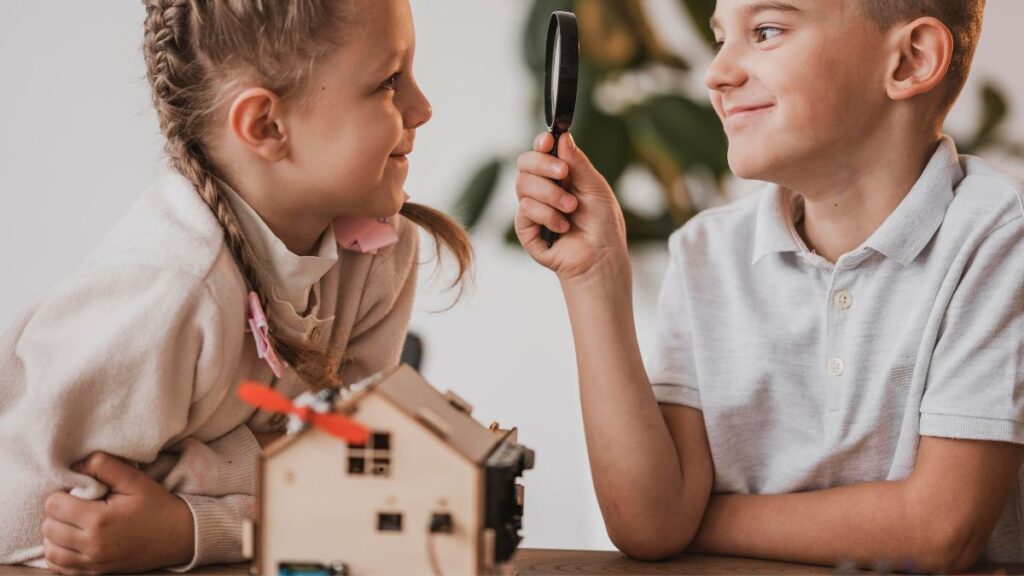
Key Points: When a child with autism begins to connect—through a smile, gesture, or simple turn in play—it’s a breakthrough moment. That’s where DIR/Floortime Therapy comes in. DIR Floortime emphasizes emotional engagement through playful interaction, meeting children where they are emotionally and developmentally. Unlike structured teaching, it builds relationships first, skills second. Every laugh or […]
Sensory Diet for Autism: Activities & Examples to Try
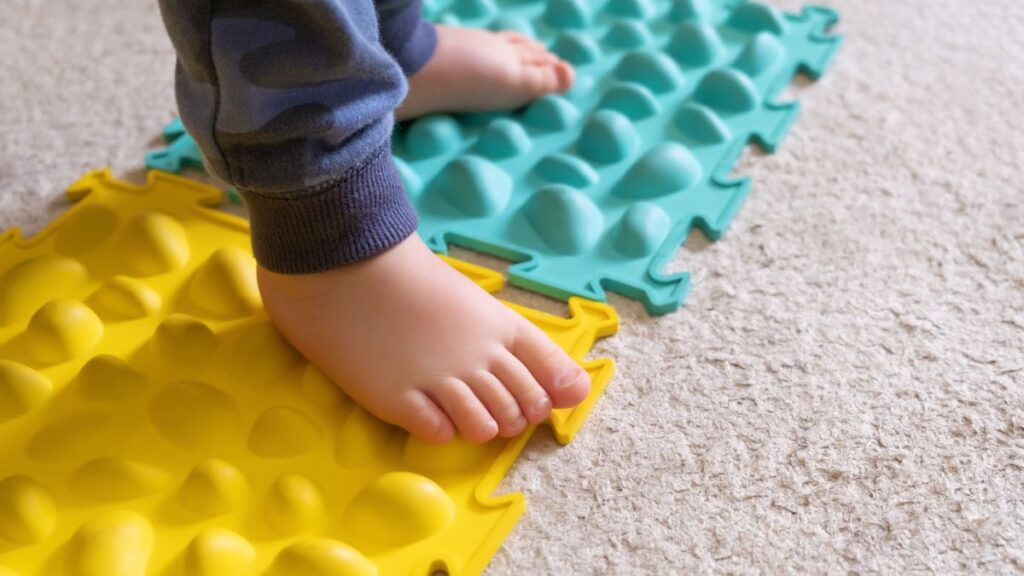
Key Points: Imagine if your body had a “reset button” that helped you stay calm, alert, and ready to learn. For many children with autism, that’s what a sensory diet feels like. A sensory diet is a personalized set of activities designed to balance the nervous system. It’s not about food—it’s about the right kind […]
Understanding the DIR/Floortime Model: Levels and Benefits for Autism Therapy
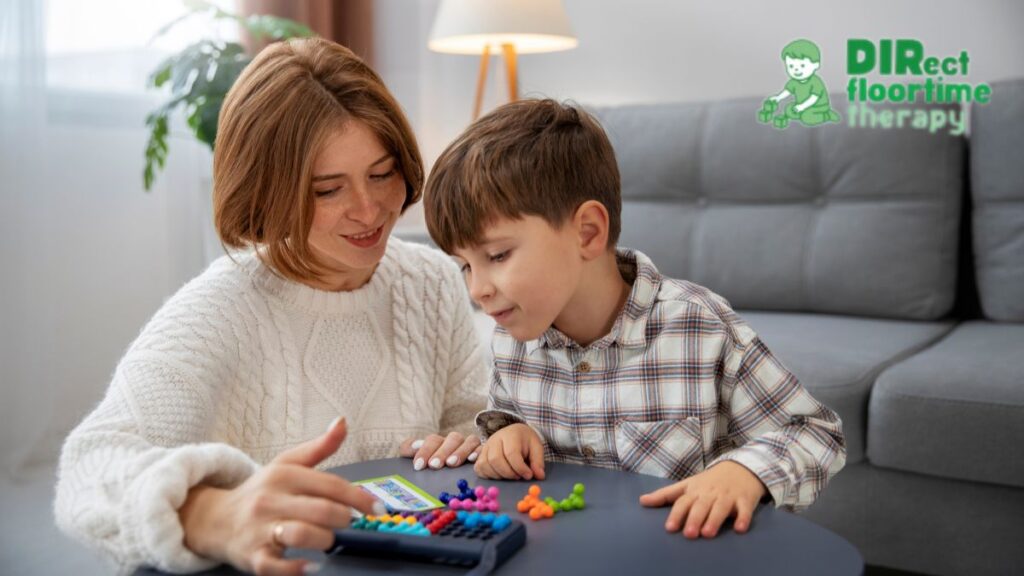
Key Points: When it comes to autism therapy, one approach has captured attention for its unique blend of play, emotion, and connection—the DIR Floortime model. This child-led method takes therapy off the chair and onto the floor, where imagination and relationships drive growth. Instead of focusing only on isolated skills, it nurtures the emotional and […]
How DIR/Floortime Therapy Boosts Emotional and Behavioral Growth in ADHD and Autism

Key Points: When a child is diagnosed with ADHD or autism, families often look for an approach that builds both skills and emotional growth. One method that stands out is DIR Floortime. Instead of focusing on compliance, this model dives into connection. It taps into the natural curiosity of children, meeting them where they are. […]
How to Promote Social Skills in Children Through Therapy

Key Points: Navigating social interactions can feel overwhelming for many kids. Some struggle with body language, others miss nonverbal cues, while others face challenges from conditions like anxiety or autism spectrum disorder. These hurdles can affect confidence and make it harder to form friendships. Is your child having a hard time connecting with others or […]
Benefits of Play Therapy for Children: Enhancing Behavioral and Emotional Development in New Jersey

Key Points: More families in New Jersey now turn to play therapy. They see it as a helpful option for children facing anxiety, life changes, or autism. Play therapy helps kids share feelings through play when words don’t come easy. It’s a simple yet powerful way to support emotional growth and healing. A trained play […]
Parenting Tips for Neurodiverse Children: How DIR Floortime Supports Your Role as a Guide
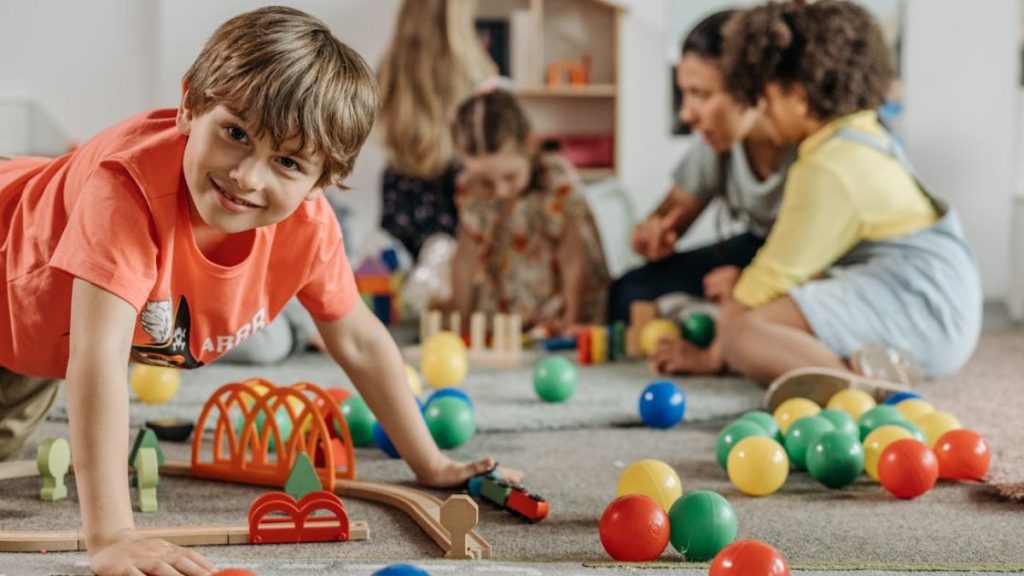
Key Points: DIR Floortime encourages parents to follow their child’s interests, creating authentic learning through play, communication, and emotional connection. The approach supports social, emotional, cognitive, and motor growth, helping neurodiverse children build confidence and problem-solving skills. Through coaching, video reflection, and daily interaction, parents strengthen bonds, foster communication, and become active participants in their […]
How to Strengthen Parent-Child Bonds Through Play-Based Learning

Key Points: Parent-child bonding activities therapy uses games, crafts, and storytelling to deepen emotional and social bonds. Listening, empathy, and interactive play teach children social skills, resilience, and emotional regulation. Observing, co-playing, and offering encouragement helps children feel supported, confident, and motivated to learn. Parent-child bonding is more than a feel-good idea—it’s the backbone of […]