
What My Child’s Humming, Squealing, and Shrieking Is Actually Saying: Reading Pre-Verbal Vocalizations in Autism
Learn how to decode the hidden language of pre-verbal sounds and use DIR/Floortime strategies to turn vocalizations into meaningful communication for your autistic child in New Jersey.
Why My Child Falls Apart After School but Was Fine All Day: After-School Meltdowns, the Shutdown Pattern, and What NJ Parents Are Missing

Discover why autistic children often “explode” at home after a successful day at school and learn DIR/Floortime strategies to support your child’s emotional regulation during the transition from school to home.
My Child Points at Nothing: What Pointing Actually Means in Autism and Why Its Absence Is a Clinical Signal NJ Parents Should Know

Explore the developmental significance of pointing in autism and learn how DIR/Floortime helps New Jersey parents foster joint attention and shared engagement through play.
The Tag in the Shirt That Ruined the Morning: Clothing Sensory Issues, Seams, and Getting Dressed with Autism in NJ
Discover how to turn the stressful morning dressing routine into a successful start to the day by understanding the tactile and proprioceptive challenges children with autism face.
My Child Cannot Stand the Sound of Chewing: Misophonia, Auditory Hypersensitivity, and Mealtimes in NJ Homes
Learn how understanding misophonia and auditory hypersensitivity can transform chaotic mealtimes into moments of connection for New Jersey families living with autism. Key Points Families in Westfield, New Jersey, and across the state often search for ways to bring peace back to the dinner table. When a child has autism, the simple act of sitting […]
Why My Child Screams During Hairwashing: Scalp Sensitivity, Water Temperature, and Tactile Defensiveness in the Bathroom

Learn how to transform the “bathroom battle” into a moment of trust and sensory success by understanding the clinical roots of tactile defensiveness in autistic children.
Why Changing Shoes Before Leaving the HouseTakes 45 Minutes: Transitions, Rigidity, and Autism inNJ Homes
Aggression in autism is almost never random and almost never about the apparent trigger: When a child with autism hits, bites, or scratches, they are communicating something that their current language system cannot express any other way. The target, the timing, the intensity, and the specific form of the aggression all carry information that a trained clinician can read. The first job is not to stop the behavior. It is to understand what it is saying.
When Your Child Hits, Bites, or Scratches: Understanding Aggression in Autism as Communication, Not Behavior
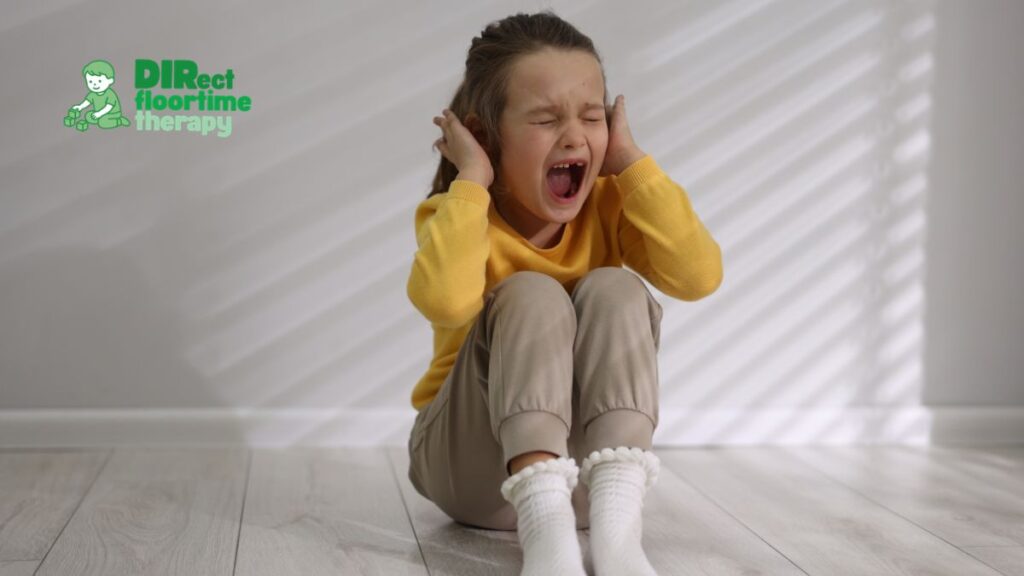
Aggression in autism is almost never random and almost never about the apparent trigger: When a child with autism hits, bites, or scratches, they are communicating something that their current language system cannot express any other way. The target, the timing, the intensity, and the specific form of the aggression all carry information that a trained clinician can read. The first job is not to stop the behavior. It is to understand what it is saying.
Why My Child Will Only Eat 6 Foods: Autism, Food Selectivity, and the Sensory Science Behind the Beige Diet in NJ

The first shift was for Maya, age seven, autistic, and eating exactly: plain pasta with no sauce, twelve Ritz crackers in a specific pattern, three brand-specific chicken nuggets (purchased only at a specific ShopRite), and apple juice in a specific cup.
3 AM in New Jersey: Why Children with Autism Cannot Sleep and the Sensory and Regulatory Reasons Behind It
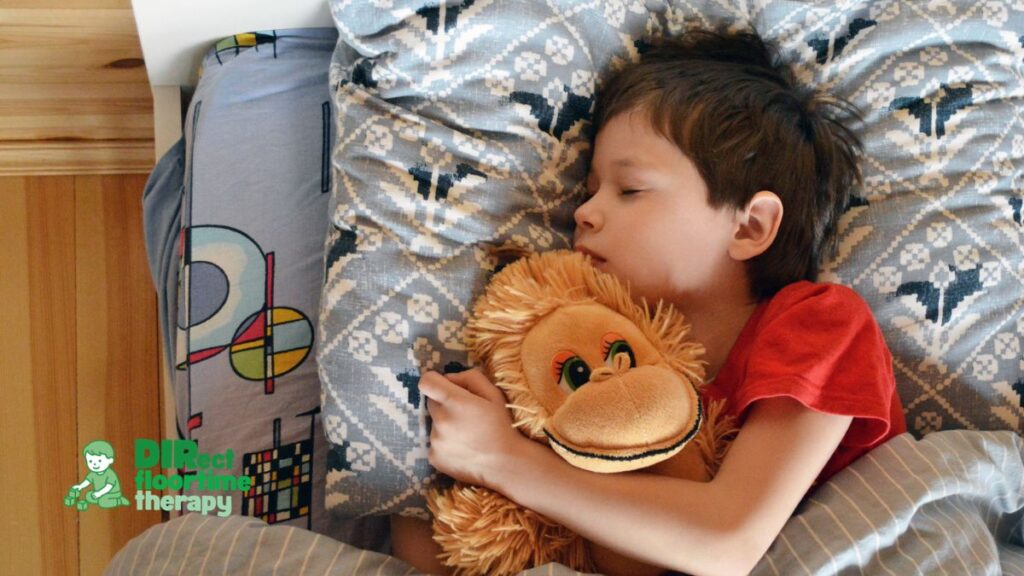
If you are the parent of an autistic child in New Jersey who hasn’t slept through the night in years, you have likely heard the same well-intentioned but useless advice: “You just need a more consistent bedtime routine.” Or worse: “You need to be stricter about staying in bed.”